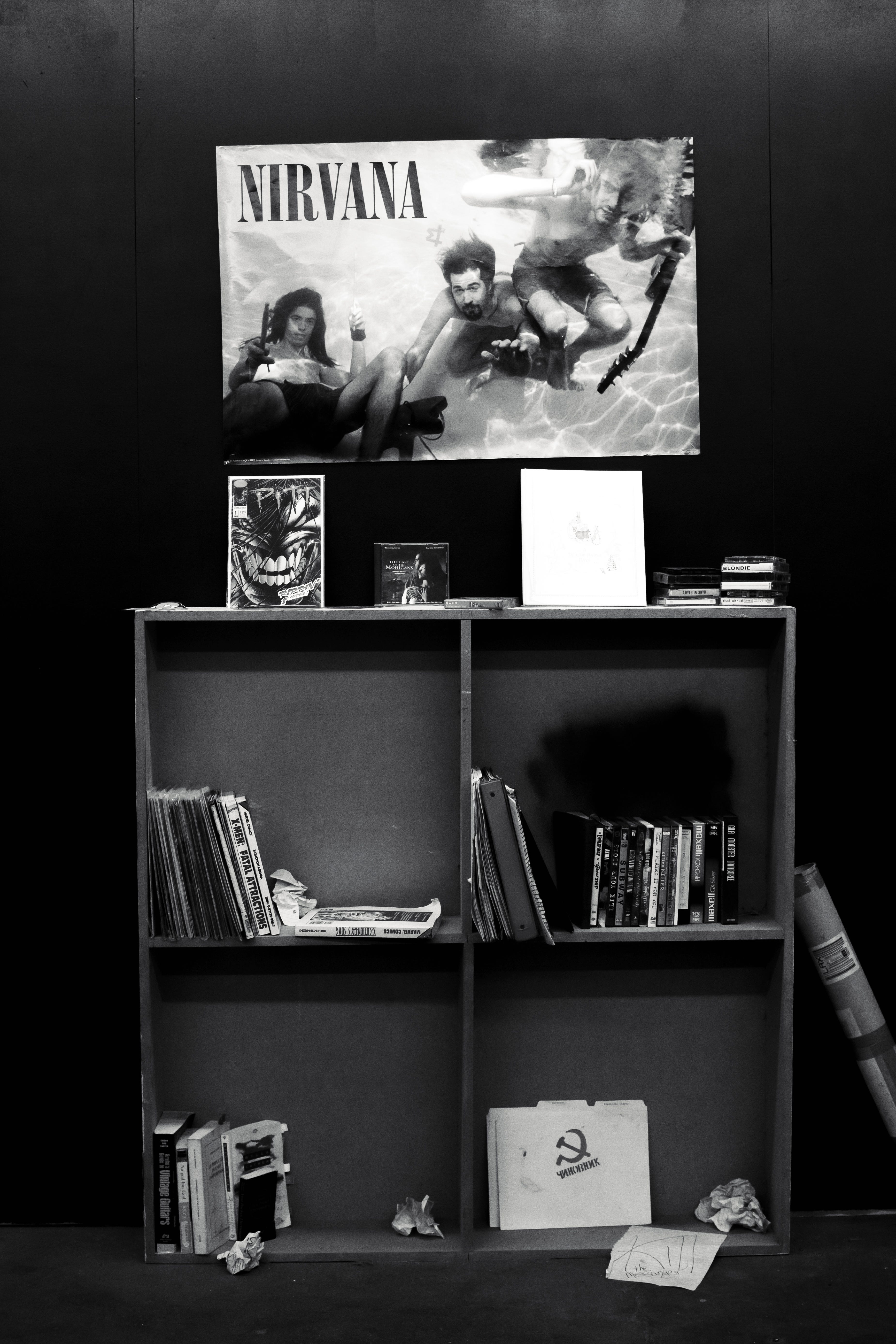
Today I’m sharing a photoshoot and interview with William Kaminski, the creative director of Haunted Heck, a surreal warehouse maze I visited on Halloween weekend that I can’t stop thinking about. Haunted Heck describes itself as a “demented fever dream...a living time capsule from the dark side of the ’90s, part haunted house, part art installation... inviting you to lose yourself in a world that’s equal parts memory, music, and mayhem.”
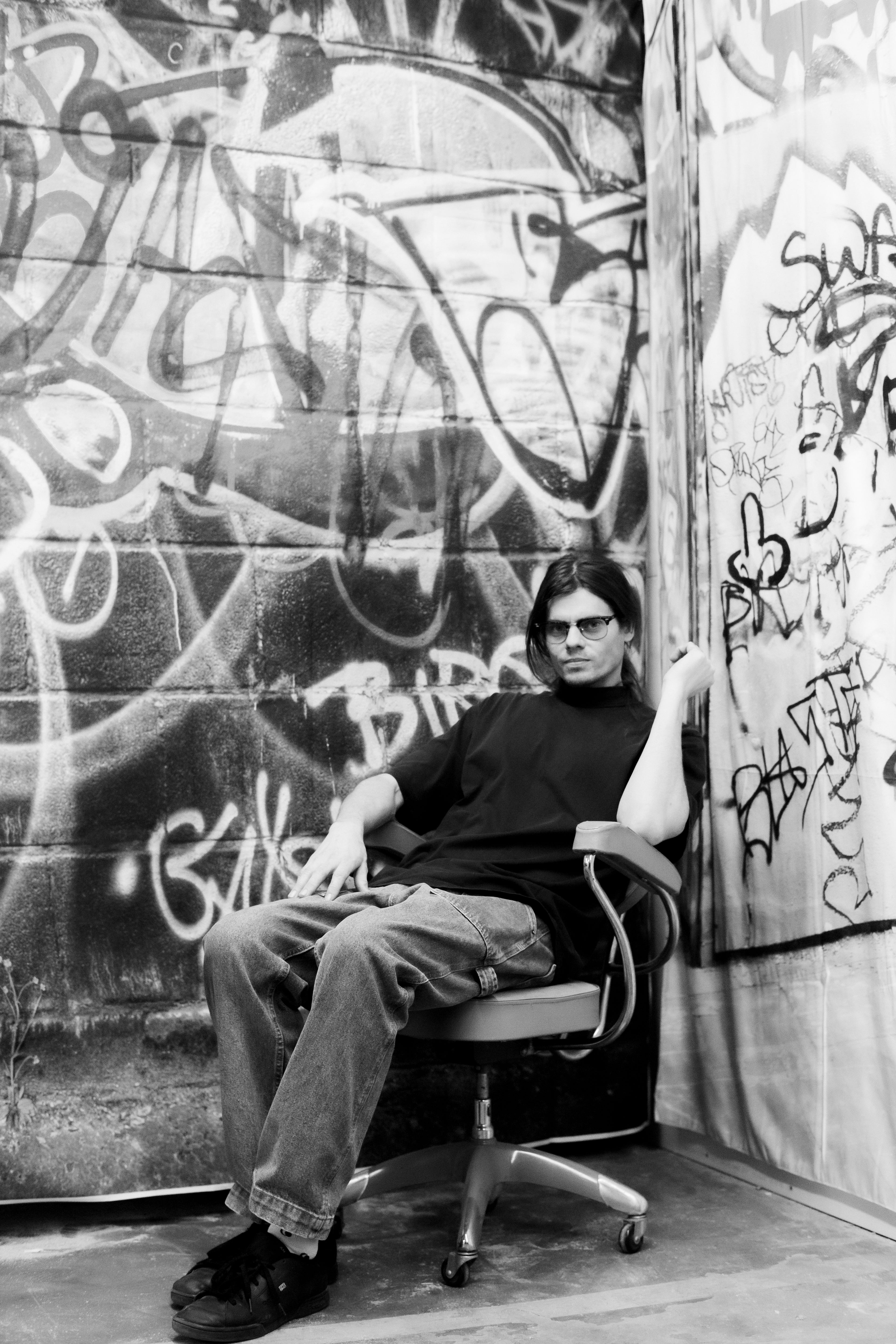
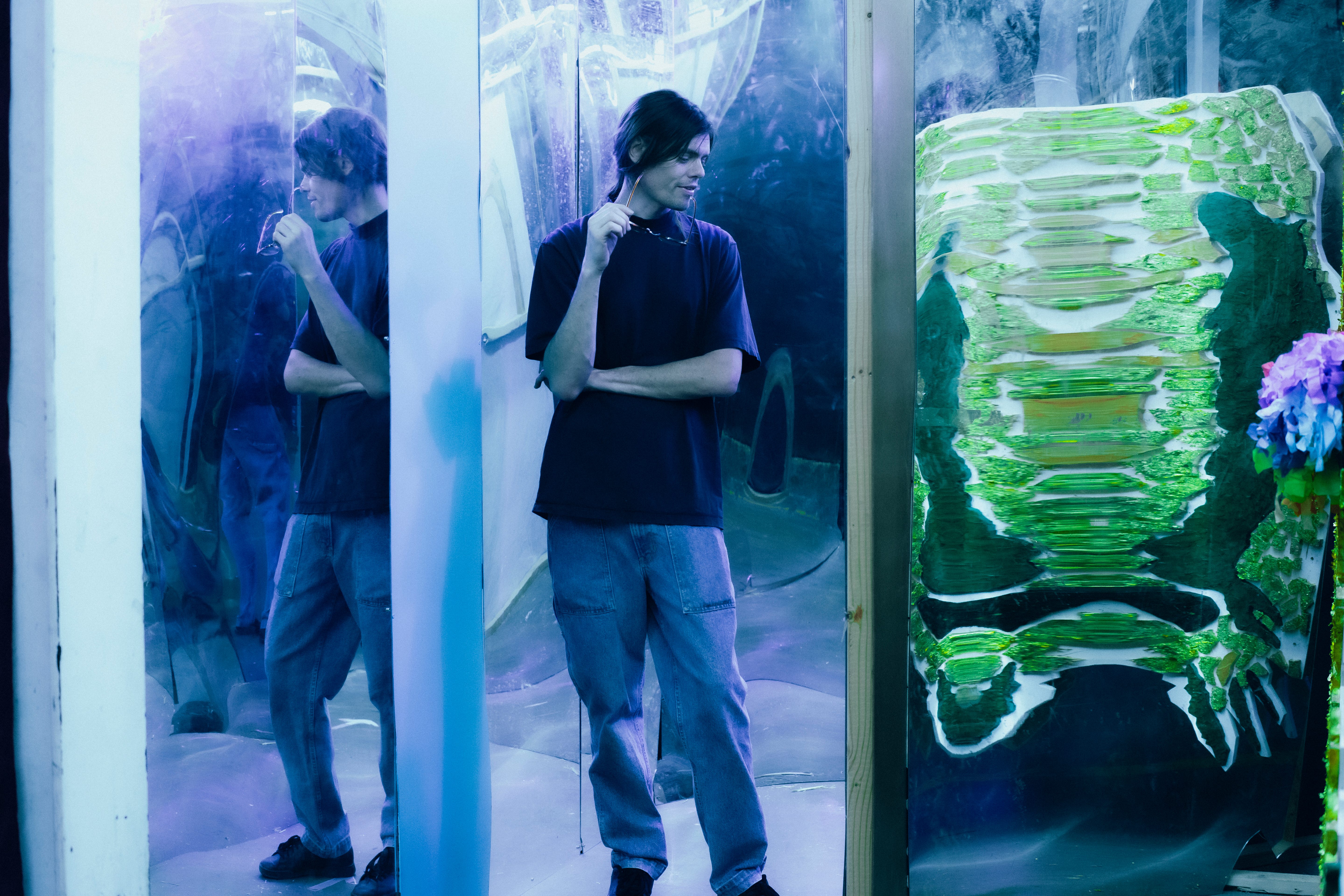
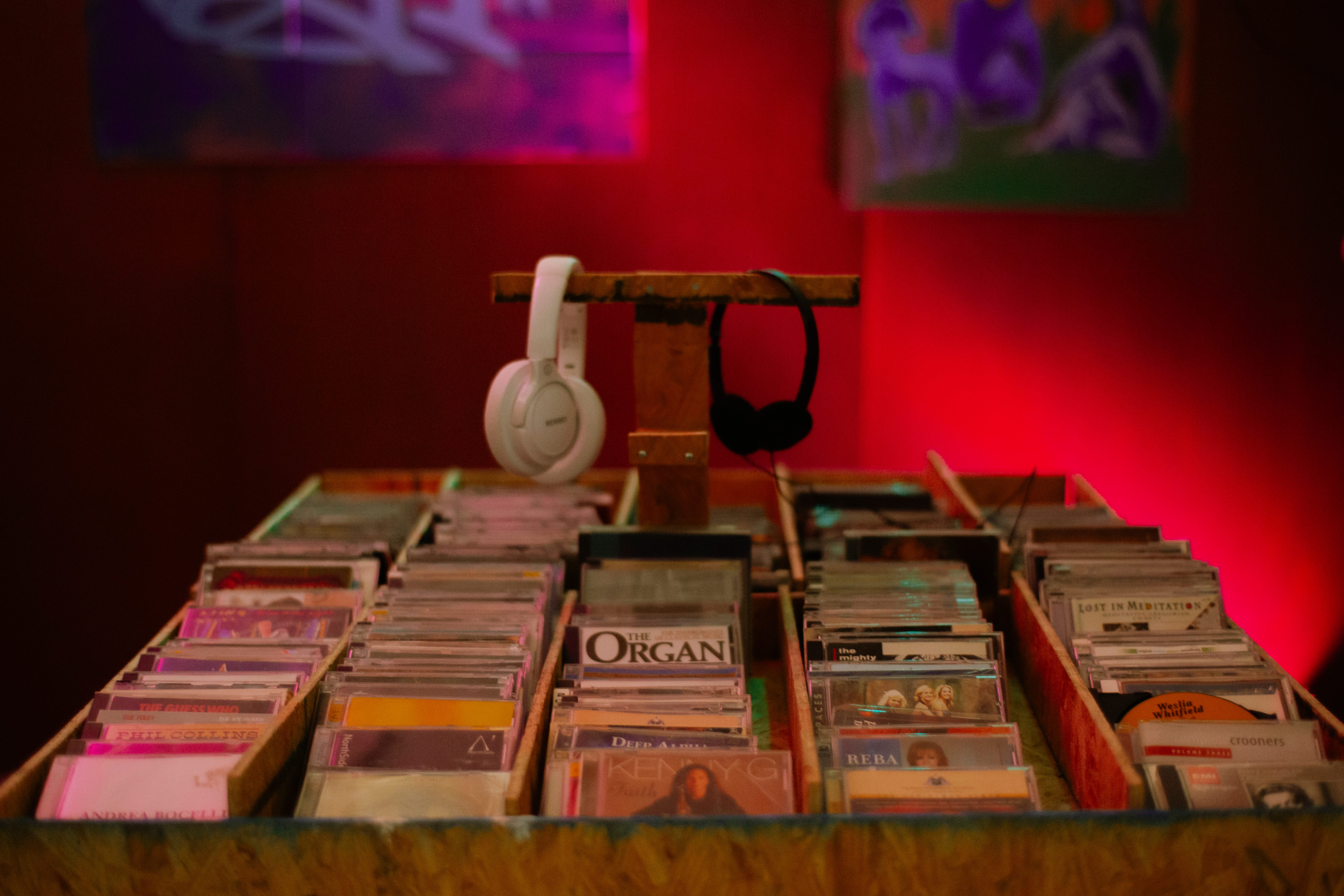
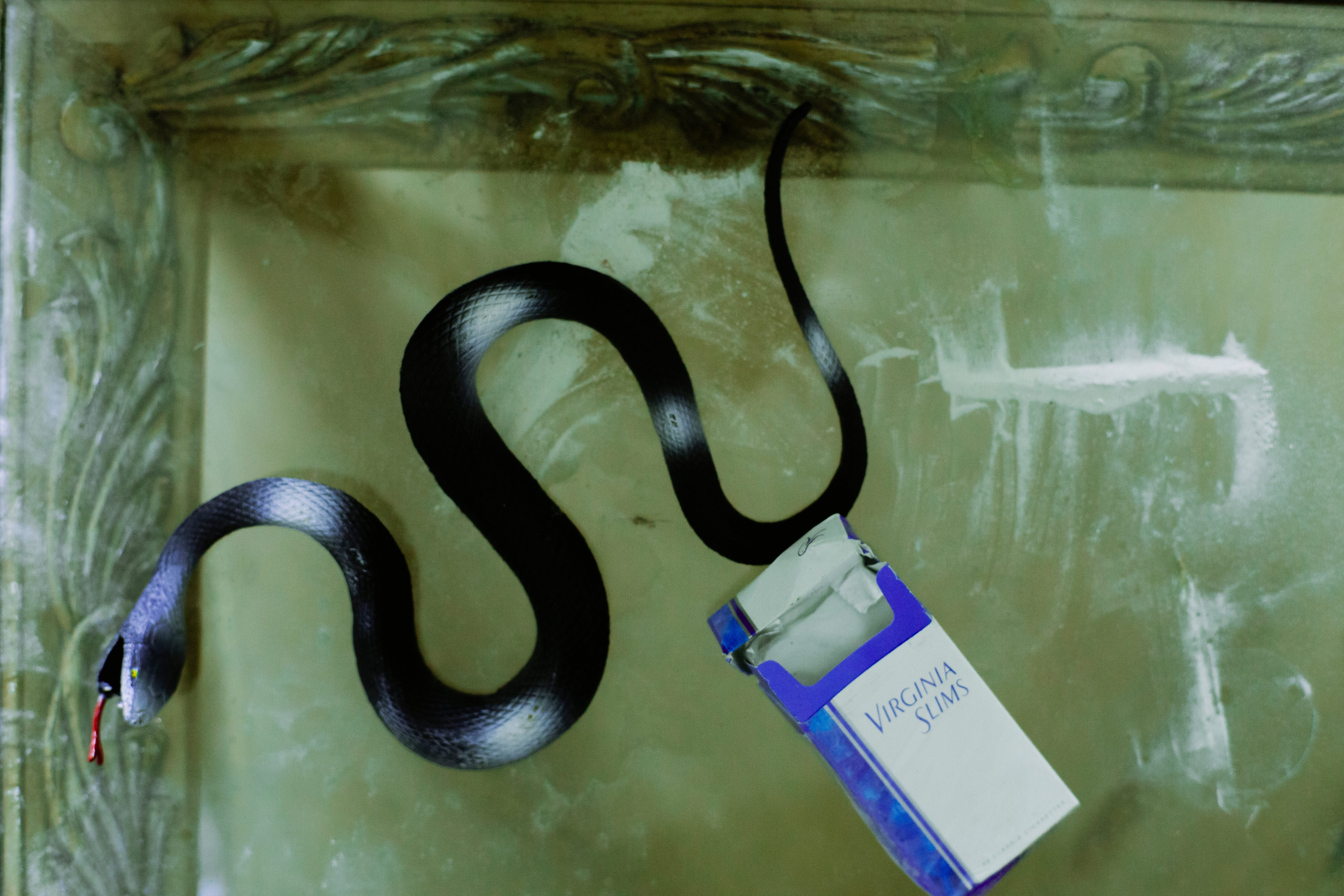
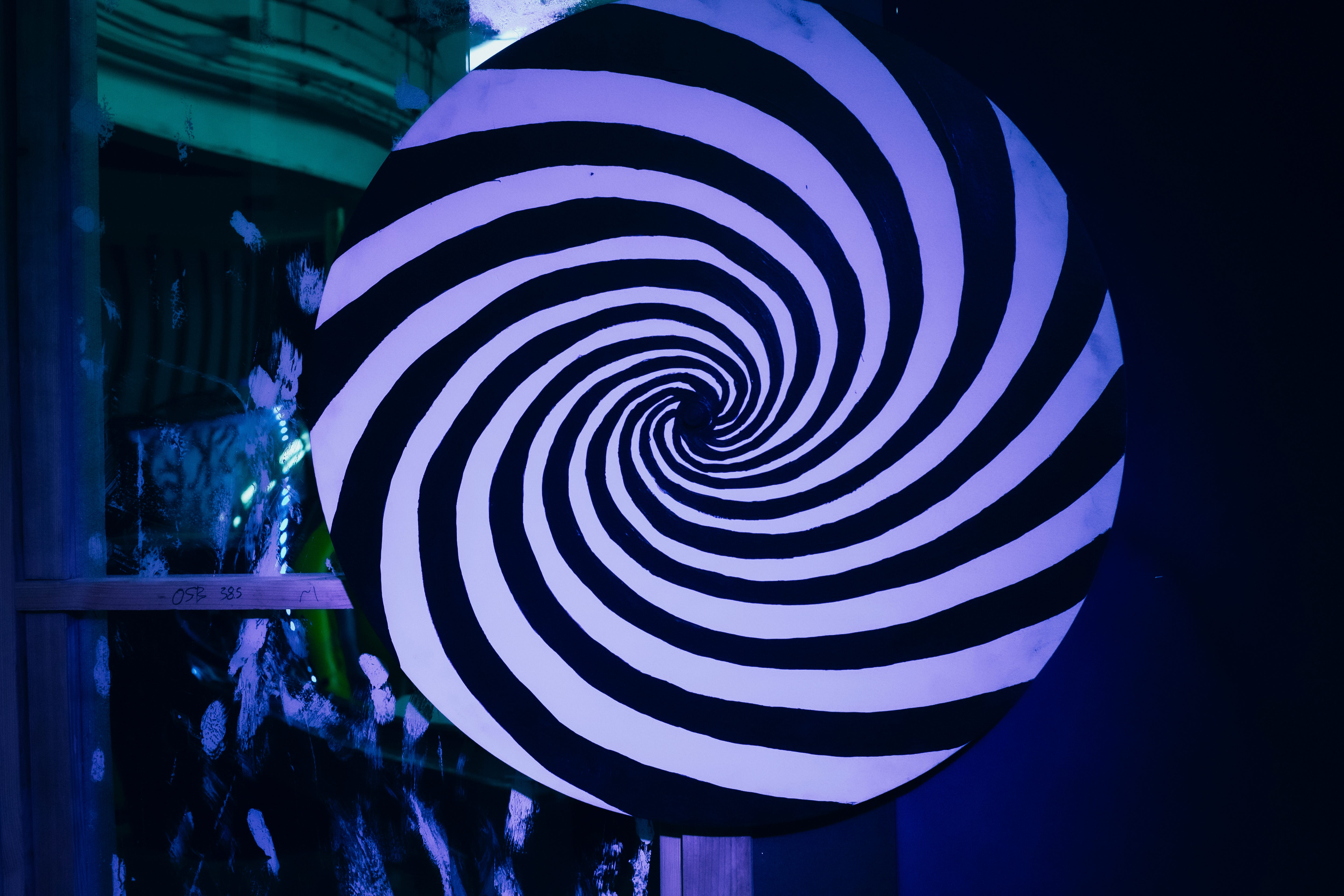
To me, it felt like being inside of an eerie video game, comedy-horror movie or interactive play, complete with 70+ performers acting out different roles. I was struck by the ephemeral nature of it all, as a temporary 26-room installation lasting a couple weeks that reflected subcultures of the 90s that have come and gone. Beginning in a 90s-era suburban tv den room littered with beer cans, where Beavis and Butthead plays on the tv, the hallway leads into a dark rock venue with teens engaged in destruction, then a dark liminal space where cops frame you for cocaine possession, followed by an intimidating police station interrogation, and an immediate sentencing by a surreal silhouetted judge, followed by a junkie’s disgusting motel room where he welcomes you inside and asks you for money, a high school bathroom where you get locked in a dirty stall, a foggy dreamy sequence of clouds and candles, a head shop with a comically gigantic lit joint and 90s paraphernalia, a spiritual room full of flowers and Wiccans, a frat party with loud, angry college guys, then a circuit city parking lot to watch skateboarders, a hazy rave room, a missing teen boy’s bedroom with a mourning mother, then Diddy’s hot tub party complete with shelves of baby oil, a nu metal circus, a goth party at a Midwestern farm house, and a CD store where physical media is sold, and Napster robot tells you horror stories - “We don’t pay for music anymore...”
I talked to William about the nostalgia around how you can never go back to the 90s, but you can try to recreate it.
PRISCILLA: I especially love the idea of immersive experiences now, when we spend so much of our time in digital spaces. Haunted houses that aren’t based on existing IP are rare, and this one was thrilling in a very unique way. I was surprised to learn that you don’t even like to watch horror movies. So what scares you the most?
WILLIAM: Yeah that’s true, I am definitely not a “Horror” fan, but I do appreciate the effect of being terrified. I really respect any project, whether a movie, story, or a haunted house, that can stir such an intense emotional response. I think what actually scares me most are things that are inescapable, like loss. With this project, I was going for a subtler kind of prolonged anxiety, as opposed to the sharper impact of sudden terror, like you see in typical haunted houses. I wanted each attendee to have a building sense of discomfort as they walked through scene after scene of familiar traumas (if they were old enough to have lived them) or a relentless exposure to a notorious era they may be fascinated by, but brought to life from its darkest corners.
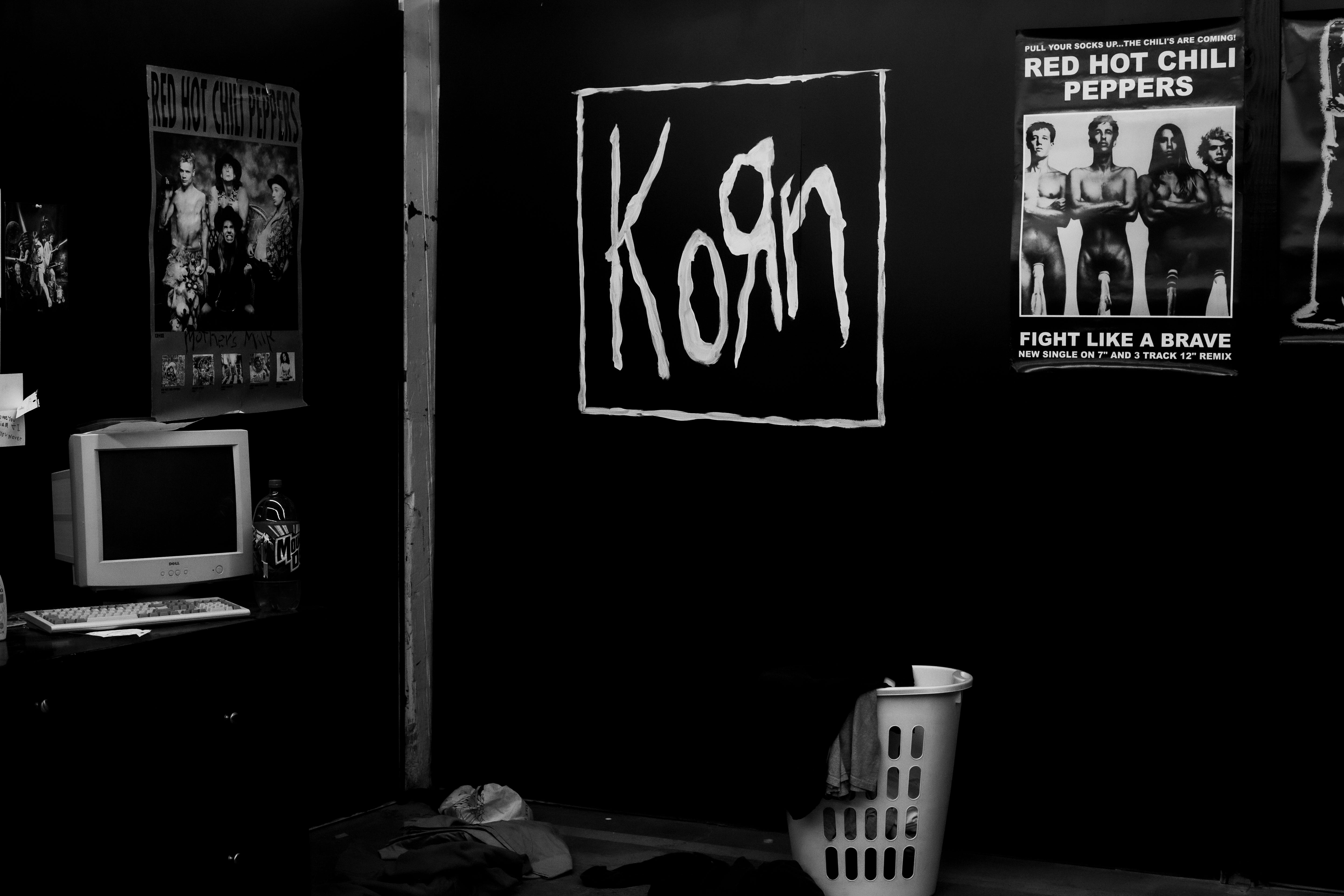
PRISCILLA: I learned that some of the sets were based on your own memories, incorporating personal items of yours from the ‘90s. Can you talk about how nostalgia affects you and your motivation/inspiration for creating this labyrinthine world?
WILLIAM: Nostalgia is constantly plaguing me, even since I was a kid. I often felt as though I had missed a moment—whenever I learned about something cool from the past, I worried that I could never reach the height of great moments in the past lives of others. Even the experience of living my own peak moments had a tinge of regret to them, because I knew they were happening only in that present moment, and could never be relived. Perpetual FOMO.


In a way, doing this project was a way to fight back against the intense pull that nostalgia has, always down a drain! If I really sit and absorb nostalgic feelings, what starts as magnetic wonder always leads to a feeling of loss. I think my intention in re-staging significant moments from a fondly-remembered—and often mis-remembered— past, was to jam my own version into something that is then publicly presented, allowing me to reclaim some participation in bygone cultural history.
PRISCILLA: You mentioned that Haunted Heck is the most collaborative project you’ve ever done, working with a costume designer, casting director, and many other people to build sets from scratch. Actors were given character descriptions and creative freedom, resulting in a unique experience for every group of visitors. What were those character descriptions like, and how did you direct the performers?
WILLIAM: Yes, this was a much larger-scale project than any before. Working with other people has always been more fun and exciting to me, especially for a project like Haunted Heck, where I spent almost two years (on and off) planning the creative vision alone before pulling together a production crew and a gigantic cast of performers — Once I could see the project myself, I felt relatively in control enough of the eventual outcome. Then at that point it felt awesome to introduce nearly a hundred little wild cards (about 70 cast members and 15 or so crew members), who would inject their own creative ideas. For the performers, I gave pretty loose direction. Just basically a description of their roles, their general type (such as aggressive vs. passive and creepily lingering, etc), some background on aspects of the cultural moment I wanted to present in their particular room, and maybe a line here and there. Beyond that, once my stage manager/casting director, Kelinda Star, and I settled on the right performer for each role, I could already trust them and just let them run wild—to great effect! One of our actors, Ashley Ross, played our Tipper Gore in the culture-on-trial courtroom scene, and absolutely lit it on fire. I think we told her she was the epitome of the “Karen”, a wealthy white lady feeling entitled to tell anyone else how their behavior in the public sphere was negatively affecting her, and broader American society as well. She turned the opportunity into a full-on, CIA black-site interrogation of individual attendees! That was totally nuts and a fan-favorite, for sure. I definitely could never have micro-managed that part of the whole experience, and trusting her talent really paid off. I have worked with actors before, and it is always nerve-racking because I just appreciate their willingness to participate in my idea so much that I feel guilty! I think because the scale of this project was so huge, I didn’t have time for that, and fortunately, it worked out for the best.


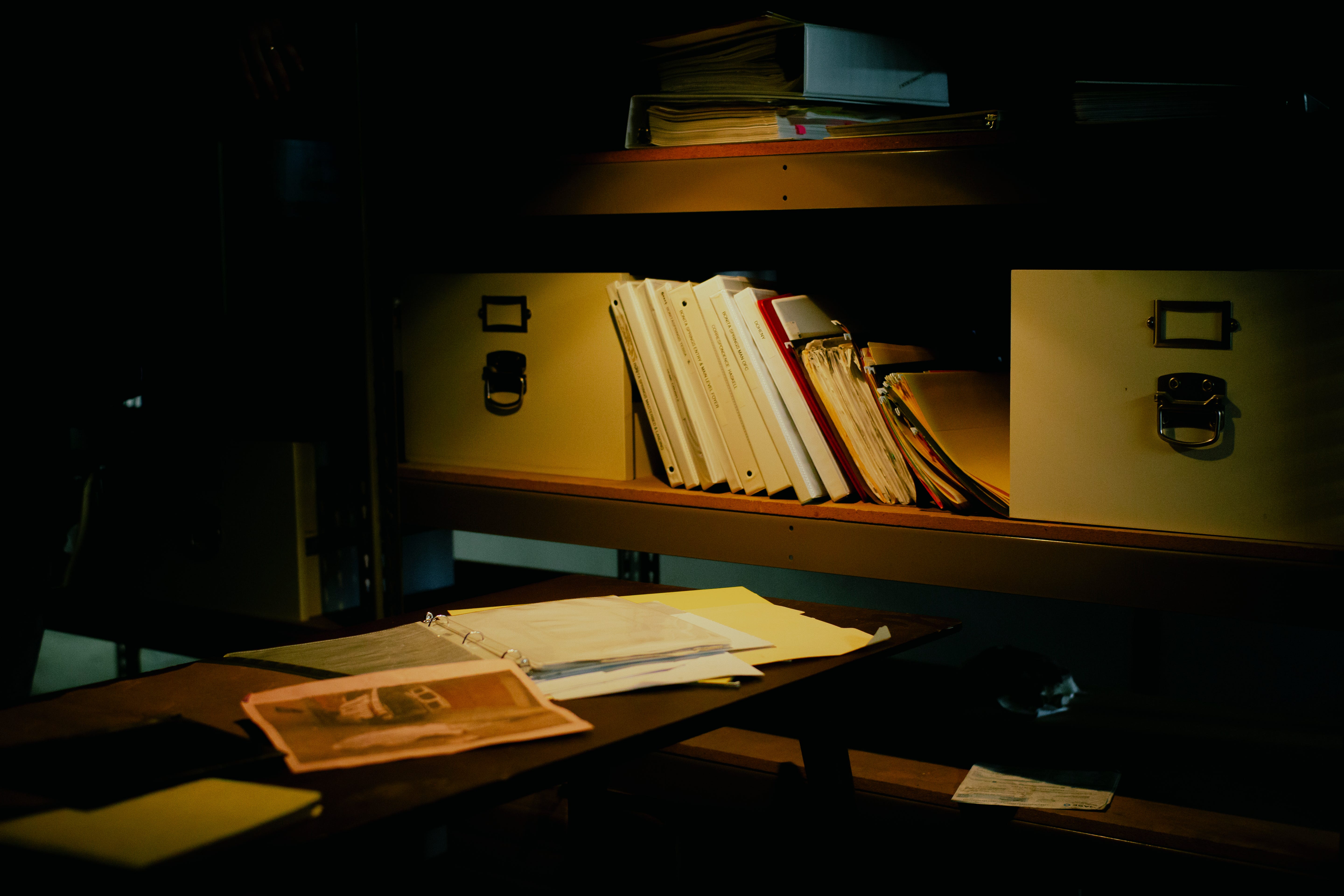
PRISCILLA: I’ve been a fan of your work since seeing Car Chase, a video you made over ten years ago, driving and filming yourself through the LA River and the surrounding industrial area not far from the Haunted Heck warehouse. Can you talk about your artistic journey since then, and how you arrived at this extremely collaborative stage of art-making?
WILLIAM: It’s funny that you mention the Car Chase video, because my intention with that piece was to be 100% non-collaborative. I wanted to see how it would look to replicate a 1980’s era cinematic car chase without any crew or support at all, committing to filming it entirely alone with a handful of surveillance cameras taped to my car. So from that project in particular, it has been a giant lurch in the other direction. I did Theater in college, and experienced the thrill of seeing a group of people thrown together, who often weren’t connected by social circles outside of the production, create incredible harmony on stage— I witnessed some latent connectivity between very different people that only blossomed in the context of a live production. I never forgot that.
It can be uncomfortable, too. As the collaboration expands, you begin to lose ownership over the project. I can be a control freak at times, but that’s more when I’m building something, like a singular three-dimensional form like sculpture or set pieces I often make working in production design. But in this project there was a much wider boundary between my role and that of the performers. Performing live is such a different ability than just conceptualizing a scene from a distance, so it was much easier for me to be hands-off.
PRISCILLA: I liked how the 26 rooms in Haunted Heck were a mix of familiar experiences -as a 90s baby, I remember cd stores, TRL hosts, and graffitied high school bathrooms... but others were scenes I had seen only in movies and the news, like the junkie motel room, the police interrogation room with a judge handing down a life sentence through neon light and fog, Sean Combs hot tub baby oil parties...and some rooms I had just never seen anything like it - the nu metal circus with a guy on stilts pretending to hang himself next to funhouse mirrors... Which scenes felt the most real to you, and which were the most fantastical?
WILLIAM: One of the scenes that felt closest to me was the rural Goth bonfire party, which came from a few experiences I had in high school, in probably 1999.
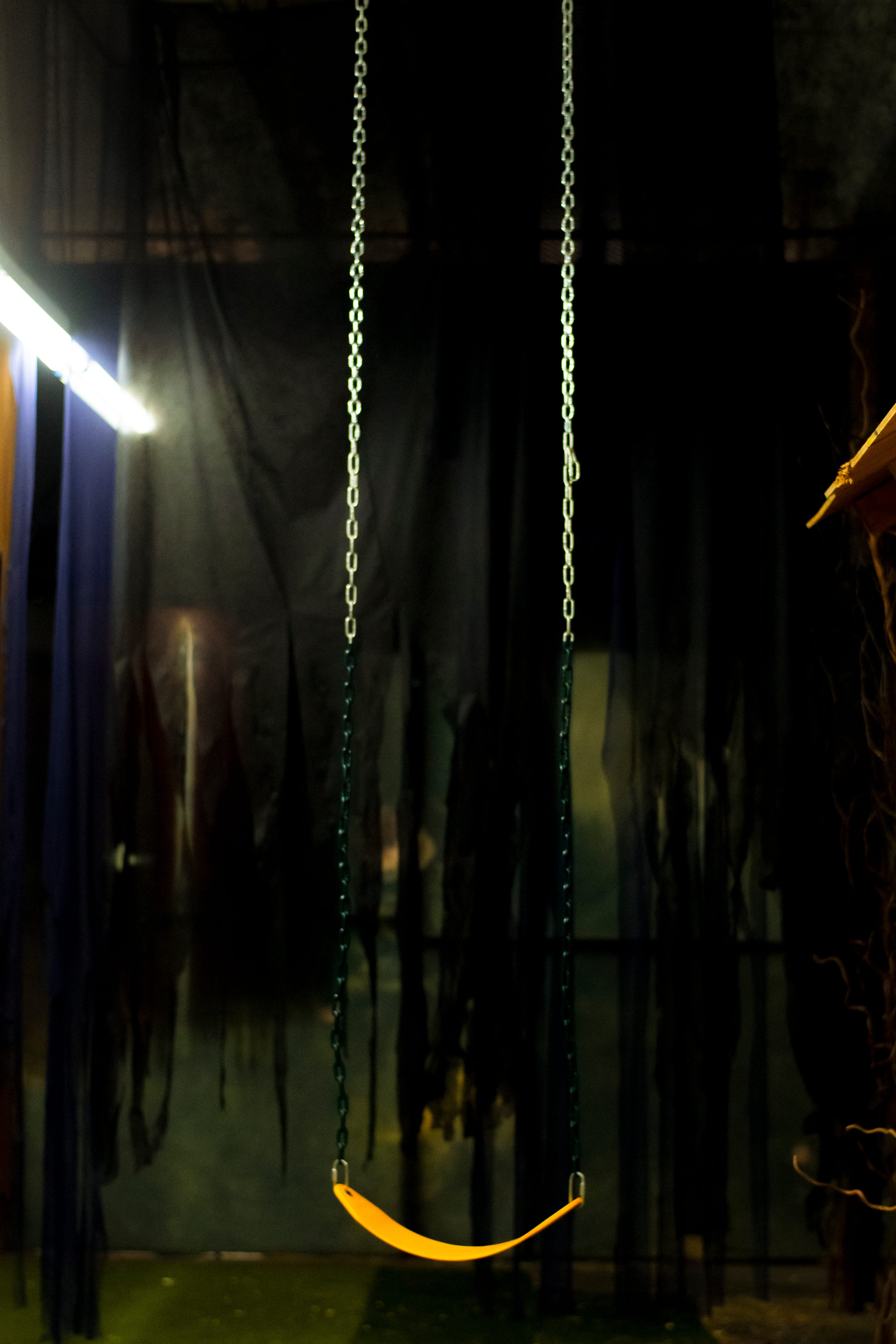
I had started playing in a band and that social sphere introduced me to a broader section of middle- Tennessee teenagers that also played music, some of which were home-schooled and lived on farms. So I went to several parties on the outskirts of Nashville, where the other kids were harder and did drugs I didn’t know about yet, and were more sexually active, etc. But there were also farm animals present as the Korn, Nine Inch Nails, and Rob Zombie CDs were rotated in the Sony boom box sitting on a hay-bail. I didn’t know how to place that juxtaposition in the mainstream cultural moment MTV was illustrating at that time. So that had to be one of the rooms I recreated in Haunted Heck. Another was the frat party room, which during production I always referred to as the “Dave Matthews Frat Party Room”, but for copy-write reasons, left his name out during the show. This was another sort of juxtaposition I experienced in real time, that didn’t get recorded in the mainstream cultural history— I like some Dave Matthews songs a lot, and I think of him as a sincere and kind musician with an exceptional, eclectic band, but as a teenager I was often surrounded by lots of fratboys-to-be who would blast Dave Matthews from their trucks, but then shout “Faggot!” out the window at nerdy or artsy types like myself. Rude and severely misguided guys, who didn’t seem to grasp the essence of the music, nor the intention of the artists making it. I hope they all grew up, and many of them did, fortunately. But anyway, I thought that juxtaposition would be a good one to include, especially since the 90’s in many ways brought rockstars away from the stereotypical misogynist party-dude from previous decades. I wanted to remind people that there was still a lot of fucked-up aspects to alternative music fandom in the 90’s.


The most fantastical room was what you mentioned, the NuMetal Circus. I kind of let myself run with that one, following my sense of carnival and testosterone driven sports enthusiasm as being at least peripheral to Nu-Metal. I drew a connection between NuMetal and a less-educated, and more easily-culturally-satisfied segment of the population, and I’m not judgmental about that, I just think it was true. It was not a snobby scene, and I like and respect that... So yeah, we had a state-fair kind of vibe in that room, and to me it seemed to work.


PRISCILLA: Can you tell me about any projects you have planned?
WILLIAM: This project was tough to produce on my own, so I will have to wait a bit before doing the next one. I learned a lot about how to better manage a project of this scale, for sure, such as finding sponsors for the event next time, and starting a more focused advertising campaign before we open, etc. But I do have an immediate answer haha. I really want to do another haunted-house type experience set in New York in the early 1970’s. The transition from Warhol and the Velvet Underground into the emergence of Punk as economic depression hit and the city was hollowing out. I think there is so much potential there, and I’m already writing and drawing some ideas for it. We’ll see if I can make it happen, ha. I would love to keep developing this kind of experiential entertainment project, since everyone needs a little more time away from their screens. I think it’s a really exciting possibility for art and entertainment, both.
PRISCILLA: I’m already excited to experience that!